Friday, July 28, 2006

Maggots!

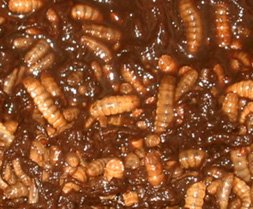
Like a lot of the agricultural duties around our urban homestead, composting requires time and initiative. Unfortunately both our garden and our energy level are at a low point, both sapped by the record breaking heat - anyone see Al Gore's movie? The result of this lack of effort has been the maggot party currently going on in our compost pile.

The best compostin' revolutionary I ever met, photographer Becky Cohen maintained a three pile system contained in bins she made out of scrap lumber. When the first bin would fill up, Becky would transfer the contents to the next bin, thus aerating the pile and creating room for additional materials. This aeration, combined with making sure to keep the pile moist produced a hot pile that kept the pests away and produced a high quality compost in a relatively short period of time - a few months. You can find instructions on how to build this type of compost system with used pallets on this web site.

Other composting systems include the lazy person's single plastic bin, which you can make out of a garbage can, or you can buy a specialized composting bin. This is what we use around the Survive LA compound. The process is simple - put compostable materials (no meat, fish or oils!) into the bin, keep it moist but not wet, and wait a year. Also remember not to put weeds in the pile as the seeds can spread to wherever you use the compost. To speed up the decomposition process in a single pile composter, you can remove the compost contents, mix them up with a pitchfork, and put them back in the pile. Our composter is bottomless, so the soil underneath the bin gets fertilized as the compost decomposes, so when we move the pile the previous spot becomes a fertile new planting area.

There are also expensive tumblers, that rotate the compost in a large barrel. We've never tried one of these things and reviews that we've seen are mixed.

With any compost pile it's best to maintain a 50-50 ratio of carbon material to nitrogen materials. Carbon materials are essentially everything that is brown, like dead leaves, sawdust and dry grass. Nitrogen materials include fruit, vegetable scraps and coffee grounds. The type of pile you construct depends upon the materials you have available to compost. Becky had lots of grass and leaves on a fairly large piece of property and the three pile system seemed the best to deal with a large amount of materials. We purchased our bin from the City of Los Angeles Bureau of Sanitation which hosts informative workshops where you can purchase a plastic compost bin for half price. The workshops are held at the Griffith Park Composting Education Facility.

The compost bin should be easily accessible from the kitchen, but far enough away so that compost problems, like smells and rodents don't migrate to living quarters. Our pile is located too far from the kitchen, so in our laziness stinky piles of rotting fruits and vegetables often gather on the kitchen counter.

The presence of maggots in our pile indicates that we have an overabundance of kitchen scraps and a pile that is not hot enough. Turning the pile - much easier to do in the three pile system, increases the temperature and kills off the larvae. Another option is to put the kitchen scraps in a worm composter and use the big outdoor compost pile for leaves and other materials that flys are not attracted to. Worm composting is the best option for apartment dwellers.

But let's get to the real reason we've brought up the topic of maggots. It's really just to mention an exotic cheese from the island of Sardinia called formaggio con vermini, a pecorino cheese infested with live maggots. It's apparently somewhat of a macho thing to eat this stuff and connoisseur insist that the maggots be active and wiggling. Like compost, cheese is a living system and formaggio con vermini may be the ultimate expression of life expressed in a food. Americans, unfortunately, both in their choice of presidents and their eating habits reject such exuberant expression of life. The French marketing guru Clotaire Rapille made this observation about how to sell cheese to Americans:

"In America the cheese is dead, which means is pasteurized, which means legally dead and scientifically dead, and we don't want any cheese that is alive, then I have to put that up front. I have to say this cheese is safe, is pasteurized, is wrapped up in plastic. I know that plastic is a body bag. You can put it in the fridge. I know the fridge is the morgue; that's where you put the dead bodies. And so once you know that, this is the way you market cheese in America."

Paradoxically the life in the compost pile - the unwanted maggots- are there because we neglected our duties and treated the pile as a morgue for our unwanted food scraps, without properly aerating it, without giving the pile water and attention.

Wednesday, July 26, 2006

SurviveLA Food Review: Mary Jane's Farm Organic Buttery Herb Pasta

This guest review from one of the SurviveLA compound sistas, is the first in a look at long term food storage options. Freeze dried food like this is marketed both towards backpackers and holed-up-in-the-bunker paranoid types. Exceptionally long shelf life makes freeze dried food a good, though expensive, option for your emergency pantry.

Field Tested July 22, 2006 on Mt. Silliman

The name of this dehydrated entree is somewhat misleading. It is in fact a form of your classic boxed mac n' cheese: elbow pasta in cheesy powder sauce, only sans the bright orange coloring. It is good, being similar to the upscale Annie's Mac & Cheese. Maybe Annie and Mary Jane smoke pot together somewhere in OrganicVille?

I did not notice the herb flavoring, and did not miss it, because I find when you are exhausted and camping at 10,000 feet your palette is not as adventurous as it might be ordinarily. This is comfort food, and works very well in that capacity.

That said, it is ripe for doctoring, because it is so very basic. I brought along a handful of chopped sun-dried tomatoes from the SurviveLA gardens (and dehydrated in the compound's solar dehydrator - more on that in a future post), and that added the perfect amount of interest. Nuts, canned tuna, fresh veggies if you wanted to carry them, all would work well too.

You cook this entree in its own bag (a paper bag instead of a foil pouch, which is nice). All you do is add 3/4 cup of boiling water, reseal the bag and wait for ten minutes. I used a Pepsi can stove to boil the water, incidentally. It cooked well, with only a couple of the elbow noodles escaping hydrating and ending as crunchy surprises on my fork.

The pouch claims that it holds 1.5 servings: a Mary Jane's Organics eccentricity. I scarfed the whole thing down without difficulty and I'm a girl. I think Mary Jane intends us to buy more than one dish and share them on plates like civilized beings, rather than selfishly wolfing them out of the bag. Oh well.

Tuesday, July 25, 2006

Worm Composting

Today's tip comes from neo-country singer and South Pasadena-by-way-of-Texas resident Corey Travis (web site under development). Corey brings up the topic of worm composting, suggesting a book called "Worms Eat My Garbage" by Mary "Worm Woman" Applehof. Now we haven't read this book, but having tried worm composting you will definitely need some advice either from the "internets" or from a book.

We tried worm composting here in the compound garden a few years ago and found the process somewhat difficult. Unlike our present lazy composting methods, worm composting requires a certain amount of time and effort. When you start a worm composting system you are acquiring pets - worm pets, that need just the right amount of water (too much and they'll drown, too little and they will be unhappy), and food (if all your meals are at In and Out Burger they won't get enough grub or if you are some kind of hippie vegan they won't be able to keep up with the waste). You must also sift and separate the worm casings from the worms themselves from time to time. One advantage to worm composting is that you can theoretically locate the worms under your sink, providing a close destination for disposing of your kitchen scraps. However, you can find yourself with unpleasant smells and fruit flies if you add too many scraps for the little buggers to digest. We had problems maintaining the correct moisture level in the bin and ended up drowning a bunch of the hapless critters when we accidentally left the worm composter out in the rain. In the end we released our worms into our large compost pile, where they live very happily, occasionally humming the tune "Born Free."

There's been some grumbling that SuriviveLA has not offered any advice to our apartment livin' brothers and sisters. Worm composting is an excellent an option for apartment dwellers looking to recycle their kitchen scraps. The whole set up is isolated in a plastic bin which can live in the kitchen or in a cool, shady spot on the balcony. The worm castings (poop, if you will) are odorless and make an outstanding fertilizer that you can use on your own potted plants or give to friends with gardens. Believe us, they will be very happy with your gift of worm poop. Do not let SurviveLA's failure discourage you from giving this excellent technology a try. Just be sure to study up on it first.

Monday, July 24, 2006

Security

A neighbor stopped me while I was walking the dog last night to tell me that they had an intruder the night before who crept around the house Manson family style but did not steal anything. This comes a week after another neighbor found some crackhead in their side yard. Now before having a yuppie-style freakout here, it's important to note that Los Angeles' crime rate is down significantly since the early 90s and is much lower than many other large cities in America. In fact the crime rate in LA is on a par with Denver and nowhere near the high rates of cities like Detroit and Washington D.C. But while we ain't the gun-toting survivalist types here at the Homegrown Evolution homestead, we do have a security system. It's a security system developed in the 19th century by tax collector and dog pound proprietor Louis Dobermann - the notorious Doberman Pincher.

Last popular with coke dealing pimps and players in the late 1970s, Dobermans are powerful, fast, hyperactive, and combine occasional bad-assness with extreme sensitivity. Our Doberman, "Spike" a.k.a "Dieter", has a bark so loud that it vibrates our poorly constructed compound and his hackles go up at the drop of a hat, or the visit of the particularly hated UPS deliveryman. At the same time, fireworks and sprinklers can send him cowering. Now, we strongly advice against running out and getting any kind of big protection dog. So-called "working dogs" like Dobermans and Rottweillers require a tremendous amount of training and are a great responsibility. We would have been in big trouble raising this beast without the assistance of a friend who is an experienced dog trainer and dog show handler. That being said, things feel pretty secure around here with a 95 pound Doberman and his presence seems worth it despite those moments when we find ourselves dealing with the smelly results of the annual backyard skunk hunting season.

So here's the SurviveLA home security advice. First of all don't own anything valuable. Get all your stuff at thrift stores and, like the Buddha, lose your attachment to material things. If you decide to get a dog, make sure that you have the time to invest in obedience training. And I don't mean shipping them off to some overpriced con-man who charges thousands of dollars to train your "dangerous" dog. You, the owner, are the one that actually needs the training. You must be the one to learn to handle and communicate with the dog. Find a local obedience club like Pasanita, which has classes outdoors at the Rose Bowl. It's difficult to get the hang of working with a big spirited dog and Dobermans, like other large protection dogs, require an owner who is confident, and both firm and gentle all at once.

More advice: Make sure to socialize your dog with lots of different kinds of people, young and old. A dog like this will always guard the house - what you don't want is one that is psycho with guests and people on the street. A Doberman belongs indoors, not chained up in the back yard. And lastly, please - no more fat dogs - you don't want a Doberman that looks like most Americans.

Sunday, July 23, 2006

Survival Chic

It would seem that preparedness is now hip, with SurviveLA's mention in a Los Angeles Alternative article entitled "Duck and Cover". While the article correctly states that we at SurviveLA are on the more eco-crunchy side of things, we think it's important to restate what we are not - we are not part of what Setha M. Low, an environmental psychology professor calls the "new emotions of home: fear and paranoia and insecurity." You see, the Man wants us to live in fear. And in response to that climate of fear we think it's important to prepare ourselves and our communities, so that we can be free to stick it to the Man. To fear we offer fun - to paranoia we say party - to insecurity we say independence!

Friday, July 21, 2006

A Close Shave

Author and fellow revolutionary Nicholas Sammond is visiting the Homegrown Revolution compound this week and he really knows how to stick it to the Man! You see the Man wants to sell us gentleman cheap shaving implements that just happen to need expensive replacement blades, a business strategy called a "loss leader" pioneered by American Safety Razor Company founder King Camp Gillette that has since been applied to everything from inkjet printers to fast food. At the Homegrown Revolution compound we don't like to get hooked on shit the Man tries to force us to buy.

In order to escape this cycle there are basically three options. Stop shaving and become a hippie - but one look at this photo shows the problem with that approach. The hardcore and "green" option is to learn how to use a straight razor, something we may take up around here someday. For now, we're going to compromise and use an old fashioned safety razor like the one pictured above. I've had some difficulty finding one of these things but they are available from a number of high-end shaving retailers, or you could try a thrift store, but make sure to get one that uses regular razor blades. I've got an antique model, but it uses a blade that is not made anymore. The irony here is that the safety razor is the kind King Gillette got us menfolk hooked on to begin with. The thing is, the old kind of razor is a much cheaper option than the overpriced plastic "Mach whatever" shit Gillette is pushing these days. Our revolutionary visitor points out that the old fashioned safety razor does not give as close a shave, but at least he's not giving the Man lots of dead presidents.

Sometimes it's best to revert to the previous era's technology, like trading in your SUV for a bicycle. The trade is some convenience for a righteous independence.

Thursday, July 20, 2006

Preparedness Now!

SurviveLA staff attended a fabulous survival salon hosted by the Process Media/Feral House revolutionaries to promote Aton Edwards hip new book Preparedness Now!

Aton's informative and well designed book is a fresh look at a subject that is usually the domain of nutcase libertarians and Mormons. Aton is neither and the book has many useful tips for us urban dwellers with chapters on shelter, transportation, self-defense, and a collection of possible disasters we should prepare for. Two things we especially liked - Aton's advice to start biking, and his advice against running out and buying guns. Plus there is a hilarious passage recalling how he cleverly dealt with some thugs on the A train that's worth getting the book for.

And while we're in the pluggin' mood, check out a little feature on the SurviveLA parkway survival garden on the Preparedness Now! blog.

Wednesday, July 19, 2006

Nasturtium "Capers"

Nasturtium grows like a weed here at the SurviveLA compound. We don't water it, though if we did we might have a larger crop. The nice thing about Nasturtium is that the entire plant is edible - both the leaves and flowers have a strong peppery flavor and the flowers brighten up the Spartan salads we chow down on in the late spring. Once you plant this stuff, at least here in Los Angeles, the thousands of seeds it produces guarantee that you will see it again next year.

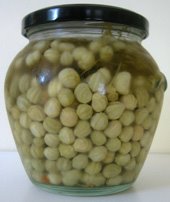
Thanks to a tip from our frère et soeur at Terre Vivante, editors of a great book called Keeping Food Fresh, we now have a use for all those Nasturtium seeds. Pick the seeds while they are still green and put them in a jar with a decent white wine vinegar and some dill or other herb. We keep our jar in the refrigerator and wait a few weeks before using them. I actually prefer these substitute capers to the real thing. Some things to note: we grow Nasturtium as an annual plant and it dies off with the summer heat. It can also suffer from aphids towards the end of the growing season. Plant seeds in October and November for a spring harvest.

Tuesday, July 18, 2006

Tomato Can Stove

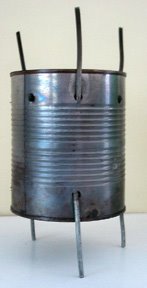
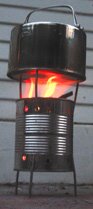
Here's another stove based on the Penny Wood Stove by Mark Jurey for heating up that pot of coffee when the gas and electricity go out. It's a bit simpler than the Pepsi can stove and doesn't require fuel other than some sticks or small scraps of wood. The stove works on the same principle as a charcoal chimney starter and it is simple to build.
1. Use a 28 ounce can - I used a Trader Joes tomato can. First, drill a bunch of 1/8 inch holes in the bottom.
2. Next, drill eight 1/4 inch holes about 3/4 of an inch from the top and bottom of the can.

3. Lastly, thread three pieces of heavy wire up through the 1/4 inch holes in the top and bottom to function as a stand for the pot. The wires should extend about two inches above and below the can to allow air to move freely.
4. To light the fire pack the can tightly with pencil sized sticks about one to two inches in length. The idea is to create a slow, controlled burn with a minimum of soot. The looser you pack the wood the faster it will burn, which is not as good. Put some newspaper in the bottom or douse the top with some denatured alcohol or lighter fluid and toss in a match. In just moments you'll have a toasty fire.

Monday, July 17, 2006

A Prickly Situation

Today's post is for clueless white folks as our hermanos y hermanas already know this shit. As we've suggested before the rule with landscaping at the Homegrown Evolution compound is, if you gotta water it you gotta be able to eat it. But there are a few miracle plants, well adapted to Southern California's climate, that are both edible and don't need watering. One of the most versatile is the prickly pear cactus, of which there are about a dozen varieties all under the Opuntia genus (Family Cactaceae). In the late spring the plant produces new leaves which can be harvested and eaten. Stores and street vendors sell them as "Nopolito". Nopolito, tastes a bit like a slightly slimy green pepper and can be used in scrambled eggs and mixed with tomatoes and onions in a salsa. During the summer the very tasty fruit matures and can be eaten raw, although the abundant seeds make it a bit of an acquired taste. The fruit can be made into a jam, a drink, or a salad dressing. If forced by the zombie menace into a survival situation, the plant is a good source of water and can even be used to heal wounds.

For nopolitos use only the young leaves and extreme care must be taken when harvesting both leaves and fruit. Wear gloves when harvesting and preparing both the fruit and the nopolitos, as the plant contains thousands of almost invisible barbed spines. Thankfully these spines are easy to remove by dragging a knife across the skin or by using a vegetable peeler. Sometimes I just eat the fruit by cutting it in half, holding it with thick gloves and scooping out the flesh with a spoon.

This is one of those plants that should be everywhere here in Los Angeles. Propagate the plant by cutting off a leaf and sticking it in the ground - it's simple - no fuss, no pesticides, no watering once established. And note that not all prickly pear varieties produce edible fruit so when you look for cuttings seek out plants that are productive and tasty. It's the ideal plant for what we call "pirate" gardening, the act of taking over a vacant lot or otherwise abandoned public or semi-public space. Plant a bunch of prickly pear and come back to harvest the nopalitos and fruit.

More info and recipes can be found here and here.

Sunday, July 16, 2006

Thong Theory

As author Daniel Pinchbeck suggests, we're in a time when technique is more important than technology. Take the Homegrown Revolution Thong for instance. A friend and fellow "thoughtstylist" posed the question last night, what else could the real survivalist do with a thong in an emergency situation? It's all about the brain my friends, so get out there and innovate - that thong has many uses - tourniquet, bandage, face mask . . .

Saturday, July 15, 2006

A Sports Utility Bicycle


We recently did an experiment to see if we could go for a week in Los Angeles traveling only by bicycle. What made this car-free week a success was the ingenious Xtracycle, a cargo bike ideal for the challenges of urban American streets. The Xtracycle extends the back wheel of the bike and is essentially a huge pannier bag with a skateboard-like seat. We've managed to haul four bags of groceries, the same amount we used to carry in my car, and we're talking heavy stuff here including watermelons and glass bottles. The Xtracycle handles well even with heavy loads - the ride is smooth and cornering is just like any ordinary bike. The saddlebags, which the company calls "Freeloaders", are designed in such a way that they cinch up the cargo and maintain a narrow profile, essential for maneuvering in city traffic. This narrow profile is the great advantage the Xtracycle has over bike cargo trailers and European style cargo bikes such as the Christiania Bike, both of which assume access to dedicated bike lanes. The long wheel base of the Xtracycle combined with a load over the back wheel makes the bike easier to brake and it's nearly impossible to flip over the front handlebars. The only disadvantage is that you can't bunny hop.

While you can buy a complete bike from Xtracycle, I put mine together with an Xtracyle FreeRadical Hitchless Trailer Kit that I bought on ebay combined with an old 1980s mountain bike. This is the bike I would recommend - an older mountain bike without front suspension, which adds weight and is not necessary for urban riding. And remember that the kit does not work on bikes with rear suspension. I would, however, recommend buying straight from the company as the kits don't seem to be selling on ebay at a significant discount.

Putting it together was relatively simple - it took two trips to the Bicycle Kitchen, an extra length of chain, a rear derailleur cable made for tandem bikes, as well as a general tune-up for the old bike we used. If you ride on paved streets remember to use slick tires

The Xtracycle has been a significant step in reducing our dependence on our crappy Nissan Sentra, and has allowed us to divest ourselves of the other crappy car we used to own. In fact, using a bike for transportation has been the single biggest step we have made towards self-sufficiency. Cars simply demand too much: repairs, insurance, gas, licenses, registration, smog checks, not to mention the terrible toll they take on our environment and the need to fight wars to maintain our addiction to oil. When you ride a bike you are profoundly free, liberated from the demand our culture makes on us to own a personal automobile, a machine that may be the downfall of our once independent nation.

Kipchoge Spencer, president of Xtracycle understands what it will take to start the bike revolution. In an interview with Grist magazine he said, "Mission accomplished is when mass pop culture realizes riding your bike to work is the coolest way to get there. The next step in this mission will be me giving Cameron Diaz a ride to the Oscars on the back of my bike and passing Leo in his Prius, stuck in traffic behind a fustercluck of limos."

I would add that riding a bike is also the coolest way to haul things. If you don't believe me check this out. Of course, there is also a blender attachment.

Friday, July 14, 2006

Make a Pepsi Can Stove

Preparedness means having a backup system for all of the things we depend on. If the gas goes out in an earthquake how are you going to cook? Thankfully the granola-crunching world of backpacking offers a number of solutions. Our favorite is the Pepsi can stove which you can build using these incredibly detailed instructions. [Editor's note 7/27/08: looks like the author of that Pepsi can stove site failed to renew the url and, sadly, the link no longer works. We'll try to find an alternative.] [Editor note 10/5/11: The instructions are back! In PDF form.] The stove uses denatured alcohol solvent, sometimes called shellac thinner which is available at any hardware store. The stove is fabricated with the bottom of a Guinness beer can and the bottom of a Pepsi can and the end result is incredibly light. I cut the top off of a 24 ounce Heineken can to make a pot and I used some chicken wire and aluminum foil for a stand. Basically this setup is good for boiling a cup of water, so don't plan on making any complex balsamic reduction sauces. You can use the stove for coffee and for simple things that need boiling water, i.e. instant soups. Light and compact, this stove is ready for when the shit hits the fan.

Thursday, July 13, 2006

Get Off Your Ass and Plant a Survival Garden!

Tired of going to the market to buy crappy vegetables that taste out of season no matter what time of year it is? Tired of garlic from China and grapes from Chile? Why waste land, if you have it, on things you can't eat? And why not have some fresh produce on hand in case of the inevitable zombie invasion.

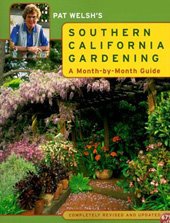
Now, vegetable gardening takes some practice and unfortunately very few books deal with the specifics of Los Angeles' unique Mediterranean climate. Most gardening books and the information on the back of seed packets are written for schmucks in the northeast who have to deal with things like cold weather. This is why you need a copy of our So-Cal homegirl Pat Welsh's Southern California Gardening Guide which deals with more than just vegetables. Looking like an extra from the gardening club scene in the Manchurian Candidate, Pat Welsh has written a book with a handy to-do list for each month, useful since maintaining a vegetable garden here over a year-round growing season can get complicated especially if you want to keep a steady stream of produce on the table. In general, remember that winter here is the best time for most crops with the summer reserved for stuff that can take the heat like tomatoes and basil.

So get out there and plant your own food and remember our rule here around the Homegrown Evolution homestead: if you gotta water it you gotta be able to eat it.

A Declaration of Independence


"Man was born free, and he is everywhere in chains."
- Jean-Jacques Rousseau, The Social Contract

What follows will be a practical guide to urban homesteading. In our troubled times, it would seem prudent to have a "plan B" in the event our modern conveniences should temporarily cease. Besides, by learning to "DIY", you'll cease to be part of the fat, pathetic, SUV driving, "American Idol" obsessed zombie hordes that plague our once independent nation. Now, We're not some gun-toting libertarian nut-jobs and the tips we suggest will always be in the spirit of neighborly cooperation. They'll be no holing up in bunkers here waiting for some imagined Armageddon. Rather, we'll be casting aside the dependence we all seem to have developed in our fragile (hello Katrina), modern world. Now let's get started.